Landmark Roofing Solutions logo
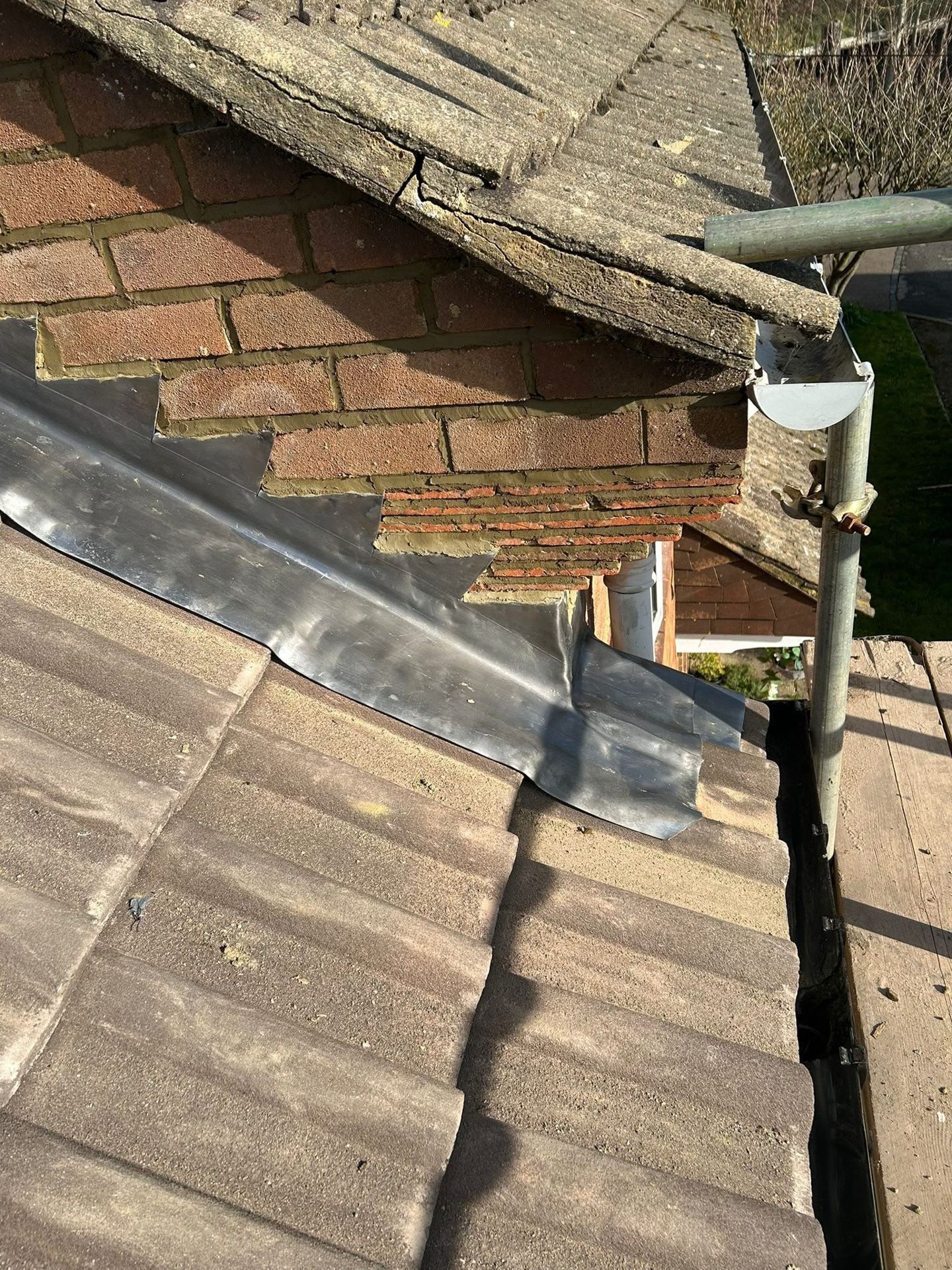
Roof repairs project photograph

Roof Repairs

Roof RepairsLandmark Roofing Solutions

Understand what is wrong with your roof, what needs repairing and when a wider solution makes more sense.

Service overview

Repair the defect, not just the visible symptom

Roof problems often begin with something small: a slipped tile, a damp patch after heavy rain or mortar appearing in the gutter. Sometimes a local repair is the right answer. In other cases, the visible defect is a warning of worn fixings, failed supporting layers or more extensive deterioration. Landmark Roofing Solutions provides roof repairs for your property, with straightforward advice about the condition found and the scope of work needed.

We are a family-run business owned by Robbie Giles, working with a four-person team. The business holds full public liability and employers’ liability insurance. Our repair service considers pitched and flat roofing problems, including damaged coverings, leaking junctions and weather-related defects. The appropriate method depends on the existing roof, safe access and the state of surrounding materials, rather than simply applying the same patch to every leak.

A proper diagnosis matters because water can travel before it becomes visible indoors. A ceiling stain may sit beneath sound tiles while the entry point is higher up, around a chimney, valley or wall junction. Condensation can also resemble a roof leak. Understanding when moisture appears and checking relevant details helps avoid spending money on an external repair that does not address the actual source of dampness.

Honest advice also means recognising the limits of repair. One supplied review describes a bedroom leak that revealed a roof in poor condition and structural damage, with Robbie explaining the findings. Another describes a new homeowner’s rotten roof being identified before the problem became worse. Those experiences show why the decision should follow inspection: some defects need a focused repair, while others justify discussing more substantial work.

Why it can’t wait

Common reasons to arrange a roof inspection

Visible damage and repeated dampness are worth investigating before they become more disruptive. The following symptoms can have several causes, so inspection should establish the repair rather than guessing from ground level alone.

Slipped, cracked or missing coverings

A broken tile or displaced slate can interrupt the roof’s weathering surface and expose the layers beneath. Nearby pieces and fixings may also be affected. Replacing the obvious damaged item is useful only when its fit, support and surrounding condition are suitable for a dependable repair.

Leaks around chimneys and adjoining walls

Flashing, soakers and mortar joints work together at vulnerable junctions. Splits, lifting and poorly formed details can admit wind-driven rain. Repeatedly adding surface sealant may hide the problem temporarily while leaving the underlying junction unable to shed water as intended.

Valley leaks and overflowing roof channels

Valleys concentrate rainwater from adjoining slopes. Debris, cracked linings or damaged nearby coverings can cause water to escape its intended route. Investigation needs to distinguish a blockage from a failed detail, because clearing leaves alone will not repair damaged material beneath them.

Loose ridge or hip details

Cracked mortar, movement or displaced ridge and hip tiles can affect both weather resistance and security. The condition of the bedding or mechanical fixing arrangement matters. Work should address the reason for movement rather than simply conceal visible cracks with another thin layer of mortar.

Recurring damp beneath flat roofs

Leaks around membrane laps, edges, upstands and outlets can appear intermittently. Water may also travel beneath the surface before entering indoors. The existing system and deck condition need considering so that the repair is compatible and does not seal moisture into an already damaged build-up.

Common mistakes we see

  • Treating every damp patch as a roof leak without considering condensation, pipework or moisture travelling from another location.
  • Replacing the visible broken covering without checking neighbouring fixings, supporting battens or the relevant water-shedding detail.
  • Applying incompatible coatings or excessive sealant that can obstruct drainage and make later investigation more difficult.
  • Continuing with repeated isolated patches when widespread deterioration makes a broader repair or replacement discussion more appropriate.

Our process

How the job runs, step by step

  1. 01

    Gather the symptoms and roof history

    Explain where the problem appears, how long it has been happening and whether it depends on wind direction or heavy rain. Mention previous repairs and any recent building work. These details help direct the inspection, although they do not replace checking the roof itself.

  2. 02

    Inspect the relevant roof areas

    Access and safety determine how the roof can be examined. The investigation considers the apparent defect, nearby coverings and relevant junctions. Where accessible, internal evidence can help trace water movement and distinguish an isolated covering problem from concerns involving underlay, timber or the roof build-up.

  3. 03

    Explain the findings and repair options

    The proposed work should reflect the condition found, including any limits to a local repair. Discuss the intended scope and quote arrangements with Robbie. If more extensive deterioration is apparent, discuss the alternatives instead of assuming another small patch will provide a lasting answer.

  4. 04

    Carry out the agreed repair

    Repair methods depend on the material and detail involved. Work may include replacing damaged coverings, addressing flashing or renewing a defective junction. Where opening the roof reveals previously hidden damage, that finding needs explaining before the scope is changed rather than being ignored or covered over.

  5. 05

    Review the area and ongoing needs

    Check the repaired detail as appropriate to the work and explain any remaining concerns elsewhere on the roof. Clarify maintenance considerations and the warranty position. Qualifying repairs carry a five-year warranty, with eligibility dependent on how much of the roof is included in the agreed repair.

What you get

The benefits of doing it properly

A repair matched to the defect

Different causes need different methods. Distinguishing a broken covering from failed flashing or a blocked valley helps direct work towards the problem rather than whichever surface is easiest to reach.

Sound materials retained where appropriate

A suitable local repair can preserve serviceable parts of the roof. Inspection helps determine when this is sensible and when the surrounding condition makes piecemeal work less useful.

Clearer planning before work begins

Ask Robbie to clarify the proposed scope and quote arrangements before agreeing work. Access, materials and the extent of the repair can be discussed against actual findings.

Attention to water movement

Considering junctions, laps and drainage routes helps avoid repairs that merely cover a stain’s apparent location. The aim is to restore the relevant weathering detail, not redirect water into another vulnerable area.

Honest advice from a family-run team

Landmark Roofing Solutions is owned by Robbie Giles and works with a four-person team. Supplied reviews highlight honest explanations and clean sites, useful qualities when roofing work affects your home.

Support for urgent deterioration

If a known defect turns into an active emergency, the phone is always answered on 07832 878937. Emergency call-outs are available day or night, subject to what can safely be undertaken.

In detail

Understanding the options before repairing a roof

A useful repair balances the material, defect and condition of the wider roof. These practical distinctions help explain why two apparently similar leaks can require different work.

Tiles, slates and the layers beneath

Pitched roofing relies on overlapping coverings and suitable details to shed rain. Tile profiles, slate dimensions, roof pitch and fixing methods all influence performance. A replacement piece needs to fit the existing arrangement; an approximate match that sits badly can leave gaps or disrupt the water path around neighbouring coverings.

Underlay and battens also matter, but they cannot always be fully assessed without opening an area. Damaged supporting layers may change the scope of a repair. A sound covering above rotten support is not a complete solution, which is why unexpected findings should be explained rather than hidden beneath replacement tiles.

Flashing, valleys and ridge repairs

Lead flashing needs appropriate shaping, support and allowance for movement. Its relationship with soakers, masonry and the roof covering matters as much as the visible edge. A split or lifted section may be repairable locally, but a poorly formed junction can require a more considered replacement detail.

Valleys carry concentrated water, while ridge and hip details protect exposed roof junctions. Mortar condition, mechanical fixings and adjacent coverings need assessing together. The right method depends on the existing construction, not simply whether the most noticeable defect can be filled or coated from above.

Flat roof materials and compatible methods

Felt, EPDM rubber and GRP fibreglass are different roofing systems, so repair products and preparation need to suit the existing surface. Contamination, trapped moisture and movement at edges can undermine an otherwise neat-looking patch. The condition of the deck and surrounding membrane also affects whether a local repair is appropriate.

Repeated leaks in different places may indicate a wider issue rather than several unrelated holes. Outlets, upstands and falls deserve attention alongside the membrane. A repair should not obstruct drainage or disguise widespread failure, and persistent problems may justify discussing renewal instead of continuing a cycle of isolated patches.

Condensation, ventilation and internal evidence

Moisture beneath a roof is not always rainwater. Condensation can form when warm, moisture-laden air meets cold surfaces, particularly where ventilation or insulation arrangements are unsuitable. Its pattern may differ from a weather-related leak, although more than one problem can exist in the same roof space.

Notes about timing can be useful: whether dampness follows wind-driven rain, occurs during cold spells or appears near a bathroom extract route. Accessible internal observations should inform the diagnosis. Altering ventilation or insulation without understanding the existing arrangement can introduce further problems, so the cause needs separating from assumptions.

Residential and commercial repair priorities

At residential properties, access may involve gardens, shared paths or an extension beneath the main roof. Protecting household movement and explaining the affected areas matters alongside the technical repair. Landlords and managing agents may also need to authorise work and coordinate access with occupants.

Commercial buildings can involve shared roof areas, stock, equipment and trading hours that influence planning. Explain these constraints when arranging an inspection. The roof defect still needs the correct technical solution, but access arrangements and protection of the space below may differ from a straightforward domestic repair.

FAQs

Roof Repairs: your questions answered

It depends on the cause, access and materials, as well as the extent of hidden deterioration. Repairing one accessible covering is different from opening a larger area or arranging specialist access. Discuss assessment and quoting with Robbie so the proposed work can reflect the condition found.

Next step

Get a clearer picture of your roof problem

Call Landmark Roofing Solutions on 07832 878937 to discuss roof repairs for your property. Tell us what you have noticed and whether the problem is actively getting worse.

07832 878937
  • 5-year warranty on qualifying repairs
  • Fully insured · Family-run

Roof emergency?

We answer 24/7. Day or night.

07832 878937
Call 24/7Get a Quote